Best Materials for Eyeglass Cleaning Cloth
Microfiber cloth is the gold standard for lens cleaning for most professionals due to its extreme scratch resistance and streak-free cleaning method. In this guide, we help you source the ideal cleaning cloth materials for your eyeglass retail business, optician service, or eyewear brand. You’ll learn: Why microfiber is a superior alternative to other fabrics; Key quality specifications that guarantee customer satisfaction; The key factors that affect pricing; By reading this guide, you’ll avoid procurement mistakes and can position your wholesale purchases for maximum resale value.
What Materials Are Used for Cleaning Eyeglasses Professionally?
The core material of modern professional eyeglass cleaning cloths is microfiber. This synthetic fiber, composed of polyester and polyamide, exhibits superior physical cleaning performance due to its extremely fine single filaments, making it a standard feature in the optical cleaning industry.
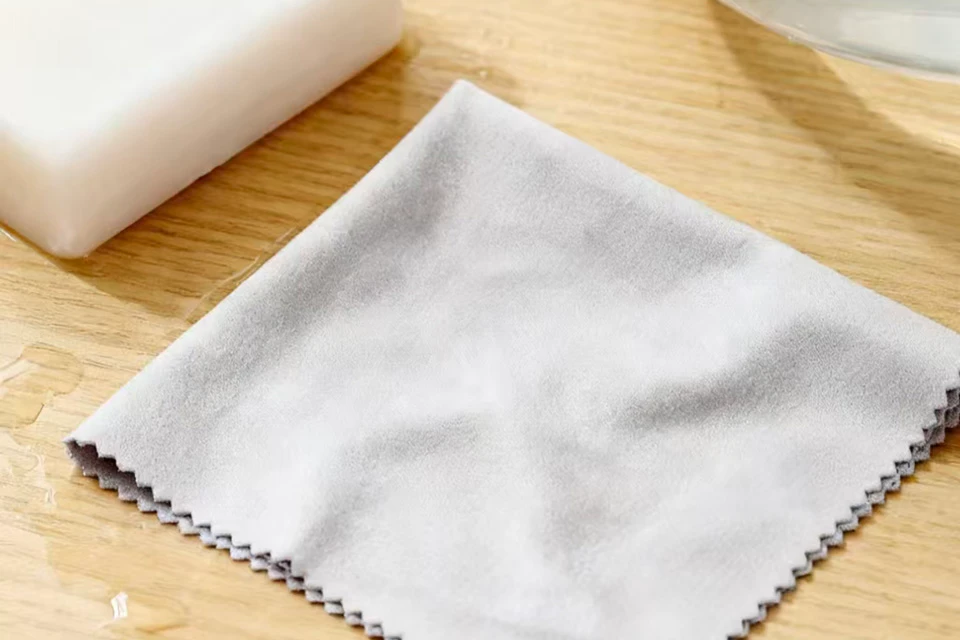
To meet different application needs, the industry has evolved three main specifications: standard microfiber cloth (100% polyester), high-density cloth (brushed microfiber), and suede microfiber cloth (providing ultimate protection through surface velveting). Compared to traditional cotton cloths, microfiber not only removes fingerprints and multi-coated dirt more effectively from modern lenses but also avoids fiber residue and micro-scratches. Microfiber is the standard material in the professional eyeglass cleaning industry. This synthetic fiber, composed of microfibers, offers superior cleaning performance.
Wholesalers must understand these material differences when purchasing inventory. Retail eyewear stores require microfiber for cleaning eyeglasses because customers can immediately experience superior cleaning results. Budget retailers may stock standard microfiber cloths for everyday economic needs. However, for eyewear companies that prioritize quality, microfiber cloths remain the best choice.
| Feature / Spec | 100% Polyester (PE) | 80% Poly + 20% PA (Polyamide) | 80% Poly + 20% Polyamide (PA) Brushed |
| Industry Grade | Economy / Promotional | Mid-range / Professional | Premium / Optical Grade (High-density) |
| Hand-feel | Rigid, thin, slightly coarse | Soft, dry, and balanced | Ultra-soft, plush, and velvety |
| Degreasing Power | Fair (tends to smudge oil) | Strong (lifts and traps grease) | Excellent (micro-naps reach deep) |
| Absorbency | Low / Poor | Good | Superior |
| Lens Safety | Lower (risk of micro-scratches) | High (safe for coatings) | Exceptional (traps dust in naps) |
| Typical GSM | 130 – 180 g/m² | 200 – 250 g/m² | 250 – 350 g/m² |
| Durability | Low (deforms after washing) | High (washable and reusable) | Excellent (retains shape and softness) |
Why Does Microfiber Cloth Dominate Lens Cleaning Markets?
Lens surfaces that require a scratch-free cleaning benefit from microfiber’s gentle touch in removing residue aggressively without being aggressive with the surface. This is particularly true for foul smudges that leave streak marks when removed. And equally, scratch-sensitive coatings like anti-reflective layers on prescription lenses benefit from microfiber’s gentleness compared to paper and cotton alternatives.
Professional cleaning materials have transitioned entirely to microfiber use in the optical industry. The optician’s business stocks only microfiber, as otherwise, the attack of stickers and grime on anti-reflective coatings would challenge the business’s ability to please customers. If you are purchasing for sunglasses or eyeglass manufacturers, be sure to purchase microfiber to meet market expectations.
What Makes Polyester-Polyamide Blend the Best Material?
Microfiber for cleaning is strictly controlled for specific ratios of polyester and polyamide for effectiveness. The blend of polyester and polyamide is often 80/20 or 70/30. Polyester provides durability and helps give the fabric its overall structure, while polyamide supplies the absorbency and softness essential for streak-free cleaning of lenses and other surfaces.
This combination achieves performance that is superior to unblended fabrics. The dual-fiber composition captures dirt and debris between the two fibers, rather than pushing debris across a surface. Glass and lens materials are free from the risk of scratches, even from daily cleaning. The synthetic fibers are also easily washable and reusable, providing performance through thousands of washings.
What GSM Specifications Matter for Glasses Cloth Durability?
GSM is approximately how long the cloth will last and how your customer will perceive the product. Most eyewear companies choose GSM between 220 and 280. This is a fairly valued range for cost to performance, but it also allows for enough products to sell through allocation. Some more premium offerings will approach 300-350 GSM. These provide an even more luxurious feel and look with a slight increase in longevity. Budget products will often sit at 180-200 GSM, which is alright for a one-off giveaway cloth but ultimately won’t last as long.
Higher GSM equals higher moisture absorption. This matters if your customer is reaching for their glasses to clean multiple times per hour. The added width in the fabric allows for improved carrying of dust and small particles without applying any additional pressure. Buyers for higher-end frames should be consultative and mention to them that you expect at least 280 GSM or higher since you’re offering their higher-end frames.