How to Read Your Eyeglass Frame Measurements: Find the Perfect Frame Size for Every Face
Selecting the right eyeglass frame is not just about style. It’s about precision, comfort, and fit. From the store buyer of retail glasses to wholesale operations needing high-quality eyeglass frames in volume, knowing how to measure a frame is essential for a flawless fit on customer’s faces. In this article, we break down every number you see on a pair of glasses frames and how to measure them accurately.
What Do the Numbers on Your Eyeglass Frame Mean?
Every frame has three numbers imprinted somewhere inside the length of the temple arm, representing lens width, bridge width, and temple length. Together, they constitute the frame size and dictate how a pair of glasses will sit balanced on a person’s face.
When you ‘read’ your frames, what you’re decoding are glasses measurements to determine how the eyeglass frame is fitted. These numbers are like a sizing system that tells you the width of each lens, the nose sizand acing of your bridge, and the length of the temple that goes behind your ear.
How Is a Frame Measurement Structured?
To measure glasses, begin with the main body of the frame. The frame measurement would appear in millimeters as something like “52-18-140.” That first number, “52,” is the width of the lenses, the second, “18,” is the width of the bridge, and the last set of numbers is the length of the temple.
These sets of numbers matter to wholesale buyers comparing frame styles and double-checking the consistency of the manufacturing, for a millimeter difference can make a real difference in the way a frame fits and feels across your face.
Measuring the Lens Width, Height, and Eye Size
The lens affects both the optical performance and comfort in vision. The horizontal width of each lens affects how well the frame aligns with your eyes, while the lens height relates to whether bifocal or progressive lens types will fit comfortably within the frame.
When taking lens height measurements, make sure to include the actual lens within the frame—it is how your measurement will be fitted and glazed. Wholesale buyers, make a note of these as well to help you select your eyeglasses size to ensure that lens designs accommodate two lenses correctly.
Understanding Bridge Width and Bridge Size
The bridge width connects the two lenses at the bridge of your nose. It’s a small but significant part of every eyeglass frame, affecting the comfortability and feel of security of your frame.
Accurate measurement of bridge width helps our wholesale clients choose the correct eyeglass frame size across oval face shapes, whether for round face eyeglasses or heartshaped face eyeglasses. A narrow bridge size will make your face look wider, and wider bridge size will soften sharper angles of a narrow face.
Temple Length: Why It Matters and How to Measure It
Temple length—sometimes referred to as the length of the temple bar—extends from the front of the frame to the bend that fits behind your ear. The temple length is the measurement required to keep your glasses properly balanced and not sliding off your face.
While replacing your current eyewear or if you measured your current frames be sure to check to make sure the temple size listed is comfortable for you. If it is too long, they will feel loose; too short and they’ll pinch. The average adult frame is between 135 and 145 millimeters for a standard fit.
How to Measure Your Current Frame at Home
How to tell your glasses size? The first step is to know your bridge width, lens width, and temple length. Then, you can measure your pupillary distance—the distance between the centers of your two lenses. This way, lenses can be fitted correctly in line with the eyes for best vision and prescription accuracy. When you’re buying prescription glasses, proper measurement ensures that each pair of eyeglasses is designed to optical standards. One great way to get accurate measurements to measure your face for glasses to see how wide you are compared to the frame width. You’re probably not surprised to know that your widest point should be just slightly wider than the widest point of the frames.
How Frame Width and Face Shape Work Together
Your face shape determines which styles of frame will give you the perfect glasses look. Narrower frames heighten a round face while thicker frames flatter longer or more angular shapes. When you think about your face shape, remember that the size and shape of the frame determines the aesthetic balance. Remember, the main body of the frame should sit along the cheekbone line to give proportional visual symmetry.
Measuring Pupillary Distance for Precision Fit
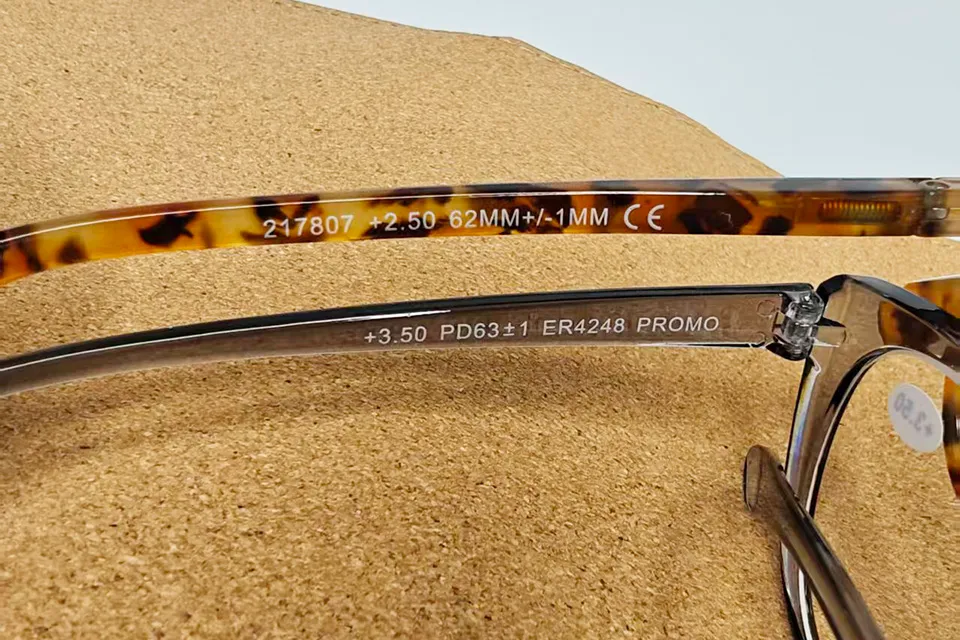
Principally important, but easy to neglect is the pupillary distance (PD). You can make this measurement of your pupillary spacing with a millimeter ruler in front of the mirror. Lenses must be centred at the pupils of your eyes to give even vision in both eyes. If you need bifocal or progressive lenses, the correct placement of the PD avoids vision strain. If you are a wholesaler or brand seller, ask suppliers if they are marking the PD distance on all production batches, to assist you in finding the proper fittings and reduce the return of defective shipped lens sets.
Using Tools Like Cleaning Cloths and Lens Cloths in Frame Maintenance
Frames properly carefor keep for a long time, ensuring customers are satisfied. Make it a habit to pack up every pair of eyeglasses you sell online in a soft eyeglass cleaning cloth or lens cloth, for an added touch. They keep your lenses clean and show your wholesale customers that you know what you’re doing.
Encourage buyers to always use every cleaning cloth to wipe away specks of dust, oil, or debris by gently rubbing the surface of each lens, so dust and grease won’t scratch the coatings. An ounce of prevention keeps every lens spotless, and makes sure they look and feel like new for longer – your wholesale customers will return for more.