TR90 Glasses vs Acetate: Which Eyewear Frame Material is Right for You?
TR90 and acetate frames are two favorites for durable and comfortable eyeglass frames. In this guide, we’ll take a close look at the differences between the properties of TR90 eyeglasses and glasses made of acetate eyewear frame materials to help you choose between lightweight TR90 frames or premium acetate for your next pair of glasses. Plus, check out how they differ in durability, comfort, style, and which material is better suited for an active lifestyle and everyday wear.
What is TR90 Material and Why is it Used in Eyewear?
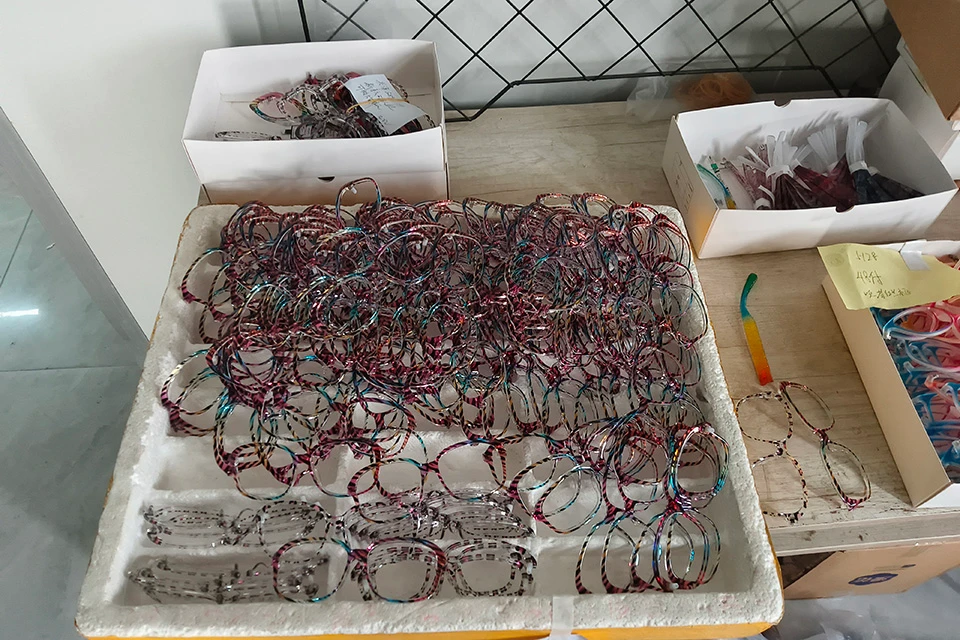
TR90 is a thermoplastic material used in the making of eyewear products that evolved from Swiss technology. Able to withstand dramatic forces is this incredibly tough thermoplastic material, which is derived from polyamide polymers. TR-90 material is an extreme flexible, yet retains structural integrity as well.
Manufacturers prefer TR90 material since frames won’t break under stress. However, the advantages of TR90 extend beyond simple durability. This material offers such a barely-there sensation consumers love for all-day wear. TR90 eyewear weighs much less than conventional plastic or metal frames. The material is soft enough to bend and conform to the wearer’s features, so frames manufactured from it are extremely comfortable for extended use.
TR90 frames dominate the sports eyewear categories as they stand up to extreme temperatures. The material permits bending of the material without permanently distorting the frame. This flexibility of the frame makes the TR90 the ideal frame for prescription eyewear and optical glasses. The eyewear industry is fond of TR90 for eyewear that needs to focus on comfort and durability.
What Makes Acetate a Premium Choice for Eyewear Frames?
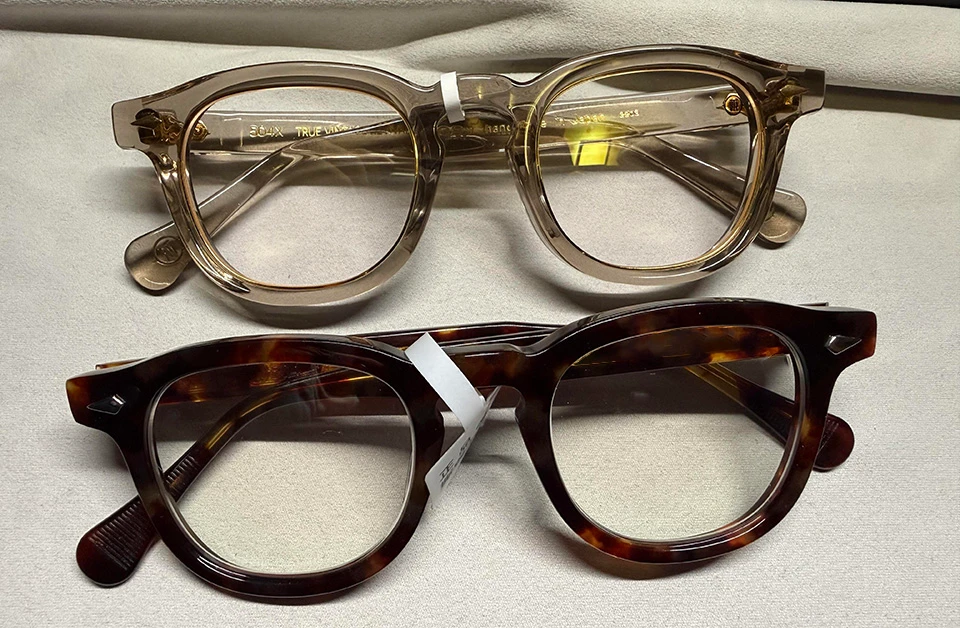
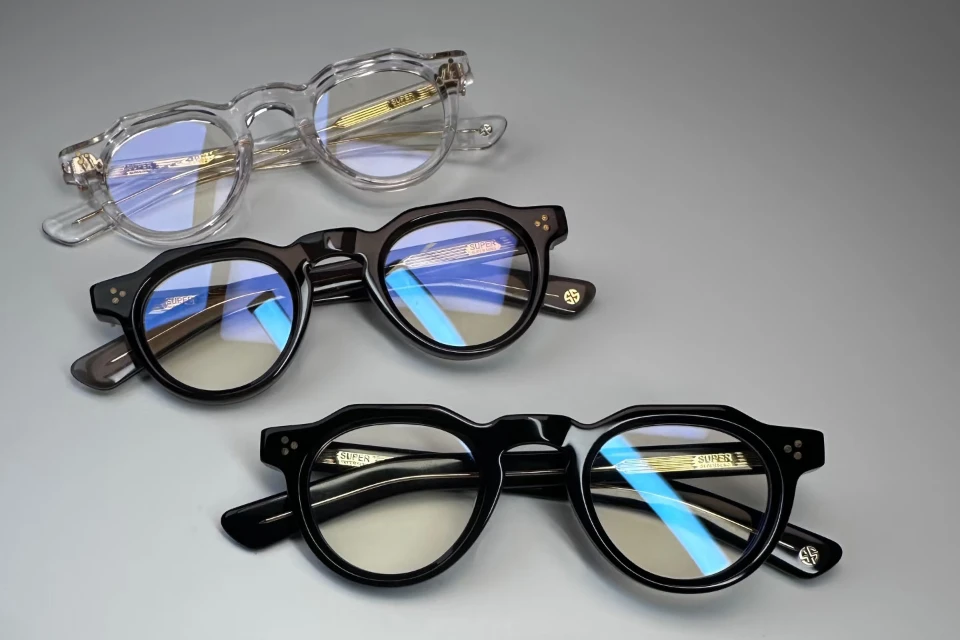
Acetate frames are made from a material derived from natural sources. The cellulose acetate is more colorful and has the depth and texture that only natural acetate can give. Eyewear factory use it because it has a luxury look and has enough flexibility in shaping to develop great frames where standard plastic cannot be used.
Acetate has a different tactile feel to it from plastic TR90 glasses. Acetate frames feel hefty in the hand, but not heavy. Acetate accepts polishing better than other thermoplastic material does, and glossy finishes obtained by this means go well with the designer eyeglass collections that are aimed at sophisticated customers. Acetate frames are created for the acetate lover and TR90 for those who don’t care about the look of their frames, but care about the weight.
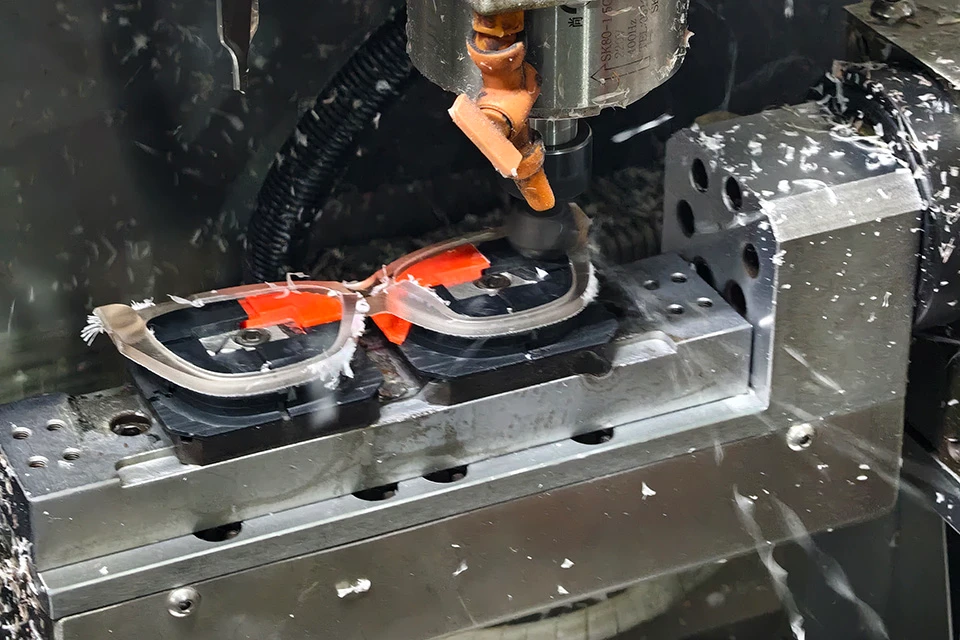
Working with acetate material is more time-consuming than making TR90 glasses. Much more handwork is involved in each acetate frame. The sheets of acetate have to be cut, shaped, and polished and luxury style are acetate laminated.
TR90 Frames vs Acetate Frames: Durability Comparison
TR90 frames are extremely durable. The thermoplastic material is highly durable against drops and stress, meaning tr90 glasses won’t snap or bend much from impact. This material returns back to its original shape if deformed; this flexibility and durability combination is then perfect for an active lifestyle.
Acetate frames are durable, but with a different approach to handling impacts. This durable material is thick, rather than flexible; heavier duty acetate does have great durability through everyday wear, and the best acetate frames can definitely stand up to daily wear and tear, but in a serious hit, acetate may crack rather than flex.
For long-lasting eyewear, each material needs different qualities. TR90 provides a resilience through flexibility, acetate a durability through density/ The best frames are those wearing either materials beautifully. Which frame is best will depend on which type of durability you like.
Which Eyewear Frame is More Lightweight and Comfortable?
TR90 & Ultra Lightweight Frames
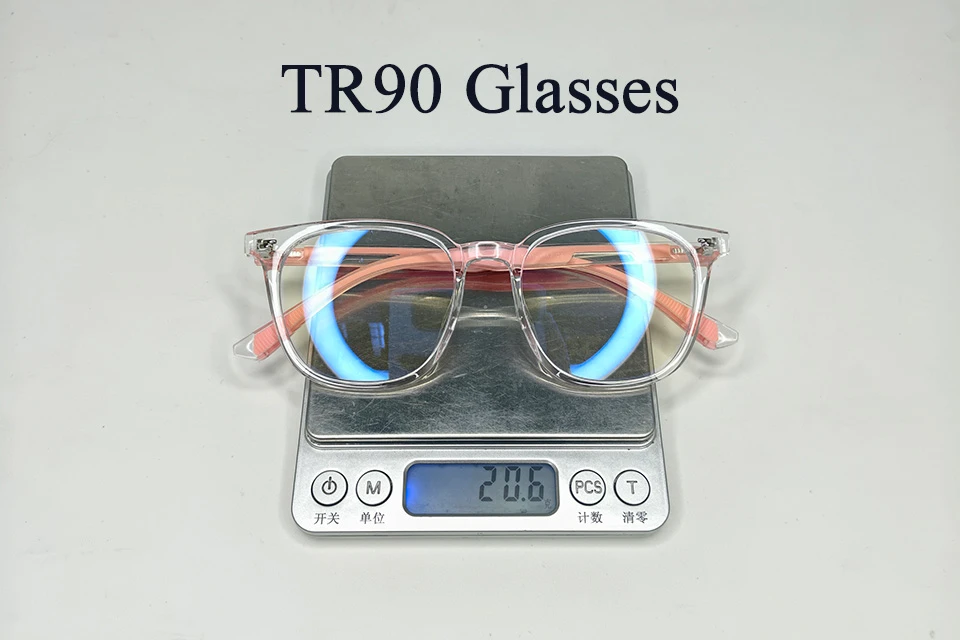
TR90 ranks lowest of all frames on the weight scale. These frames weigh 20-30% less than acetate. The lightness of this material reduces the pressure on nose pads during all-day use. Lightweight TR90 suit those who rarely remember they’re wearing glasses! When made correctly, these frames do not feel cumbersome.
ACETATE
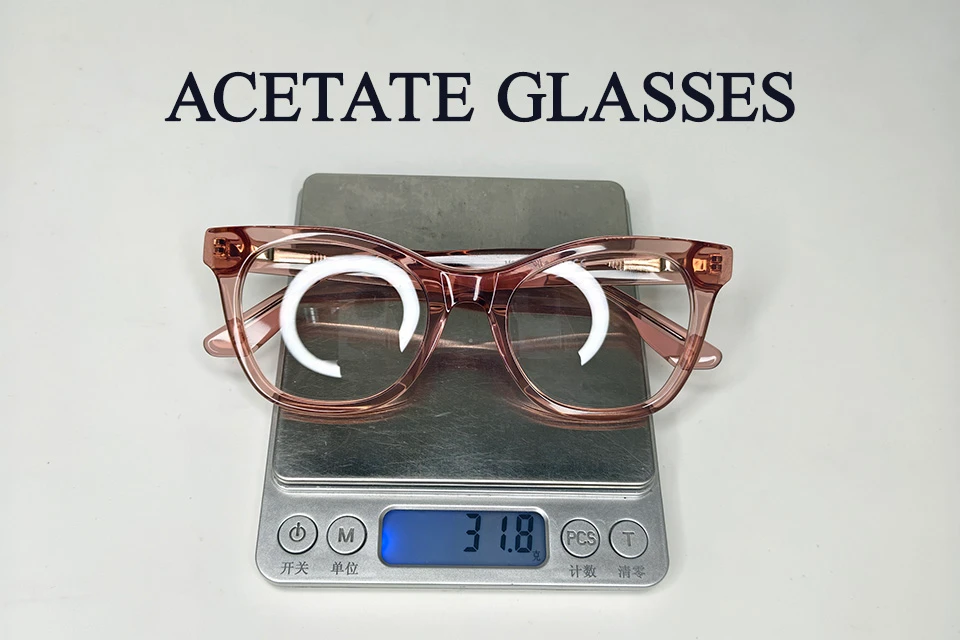
As acetate weights more than TR90, it spreads the pressure of the frame in a different way. The density of the material allows it to fit comfortably while not “sinking” into the nose. Some people prefer the presence of acetate frames compared to an ultra-light frame.
Both material achieve comfortable wearing for all-day use in different ways. Hypoallergenic properties make both frame types comfortable. Those with sensitivities will find that TR90 is likely the most comfortable because they do not use harmful plasticizers. Acetate can also be used to produce frames for sensitive users when manufactured correctly. The rubber-like texture and matte look of TR90 frames does feel different to the touch in comparison to the smooth feeling of the acetate frame. Which ever feels best is entirely a matter of personal preference!
How Do TR90 Glasses Handle Flexibility and Impact?
The extreme flexibility of TR90 is one of the things that sets it apart from older eyewear frame materials. This material can bend right up to 180 degrees before breaking. This flexibility also means that the material can absorb shocks that would simply shatter plastic and cannot even be born by acetate. At once the stress is removed it returns to its original shape.
Temperature has little to do with whether this substance remains so readily pliably flexible. Flexibility resides in this TR90 plastic in extreme temperatures of -40 through 80 Degrees C, making this material excellent for outdoor prescription eyewear. Sportsman select this material for their sports eyewear, safe in the knowledge that their eyewear will not fail them in the heat of action. This material resist damage from being repeatedly flexed.
Eyewear frames made out of acetate afford some, but not much, flexibility. Typical acetate eyewear frames may break or bend from the same forces easily borne by the TR90 material. Some new options in acetate eyewear are now becoming available that blend memory materials into the mix which improve flexibility. Nothing in acetate, however, is up to the modern age flexibility and resiliency of TR90. For those who demand toughness, TR90 may be the way to go.
What are the Benefits of TR90 Eyeglass Frames for Active Users?
The real magic happens with TR90 eyeglass frames when you’re being active. Those who exercise regularly or play sports will appreciate that TR90 glasses stay put when you’re running, biking or playing the field. The lightweight nature means that you have no worries about them sliding down a sweaty nose. The flexibility means you can turn your head, and your frames won’t pinch or give you any pressure points. No surprise that TR90 is the fave frame for vision correction in active situations.
Durability and comfort come together in TR90 for those who live active lifestyles. The hardwearing nature of the frames tolerates signficant daily ‘wear and tear’ when they are constantly being taken on and off and cleaned. The material is less prone to scratches than the cheapest forms of plastic. You can use your TR90 eyewear continuously for months and it would not show the wear and tear of generic plastic frames. The fabulous quality seems justifiable to those who are constantly using eyewear.
TR90 frames can make using prescription lenses for sports safer. The material itself is impact resistant and so protects the eye on accident. The frames won’t shatter into dangerous fragments, making it obvious why these are elite faves for children’s optical glasses and pickleball eye protection glasses.
Does Acetate Offer Better Style Options Than TR90?
Acetate frames come in the widest selection on fashionable eyewear with respect to styles. The material allows different colours to be layered on top of each other, resulting in all tortoiseshell and marbled effects, chip effects and custom patterns. The best acetate materials provide a broad range of colour options not possible with TR90, hence the prevalence of cat-eye, vintage and designer sunglasses in acetate.
TR90 glasses generally provide limited colour options. The material can be made in solid colors with transparent finish, however advances in technologies have meant that some colour variations can now be seen in this material. Still, for those customers who care about the visual effect of their eyewear, acetate cannot be matched. Those with a penchant for stylistic eyewear frames prefer the depth that acetate provides.
The eyewear industry segments by aesthetics of materials. High fashion glasses and sunglasses are almost all acetate frames. TR90 frames are reserved for performance eyewear and prescription performance glasses. Some combine both with an acetate front and TR90 temples – a happy hybrid where aesthetics and durability for daily wear are aptly blended.
Are TR90 Frames or Acetate Frames Better for Sensitive Skin?
Both TR90 and acetate qualify as hypoallergenic frame materials. TR90 contains no toxic plasticizers that could irritate sensitive skin, and it does not cause allergic reactions through prolonged contact. This means TR90 frames are safe against sensitive skin for all-day wear by user with skin sensitivities. Acetate frames also suit sensitive skin, they are made from pure cellulose acetate. Quality acetate contains plant-based materials and no harsh chemicals.
Premium acetate is as hypoallergenic as TR90 frames. The rubber-like texture of TR90 makes it describe itself differently against skin than smooth acetate. Some users do find the soft feel of TR90 more comfortable against the skin than the traditional eyewear frame smooth acetate. Others prefer the smooth traditional feel.
Which Material Lasts Longer: TR90 or Acetate Eyewear?
How long do TR90 frames last?
TR90 frames deserve a lot of admiration as they last surprisingly longer than usual glasses. The material is pliable so they don’t break even after years of use. It is true that TR90 frames hold shape and color way better than their plastic counterparts. Who likes replacing their eyewear frequently? TR90 glasses, when taken care of, can last 3 to 5 years!
How long do acetate frames last?
Not only does acetate sounds fancy it is! Some top acetates can give you some hardcore service- around 2 to 4 years depending on how often you maintenance and care for it. Given the density of acetate, no more incidents of your temples loosening like that. They might not be as long-sustaining as TR90 but it sure isn’t that bad right? The polish wears off after a while but you can refinish them again professionally. But wear and tear can makes its appearance sooner.
How to Choose Between TR90 and Acetate for Your Needs?
If lightweight comfort and flexibility are your biggest priorities, opt for TR90 frames. Perfect for an active lifestyle requiring durable and comfortable eyewear, Tr90 works best for sports eyewear, children’s frames, and daily-use optical glasses.
Choose acetate if you want unique eyewear frame designs, and this material is ideal for occasional-optical-wear glasses and sunglasses where maximum durability isn’t your number one priority. Some manufacturers now make a frame using TR90 frames and acetate temples. A quick look around will find you eyewear options we never dreamed of having, and finding your preferred option that fits nicely into your lifestyle or budget, is totally up to you!